As industries and economies worldwide move toward more sustainable operating models, the concept of a circular economy is gaining increasing importance. Unlike traditional linear systems based on “take, use, and dispose,” a circular economy focuses on maximizing resource efficiency, minimizing waste, and creating long-term environmental value. At the center of this transformation, bioenergy innovation is emerging as a powerful driver of sustainable and circular growth.
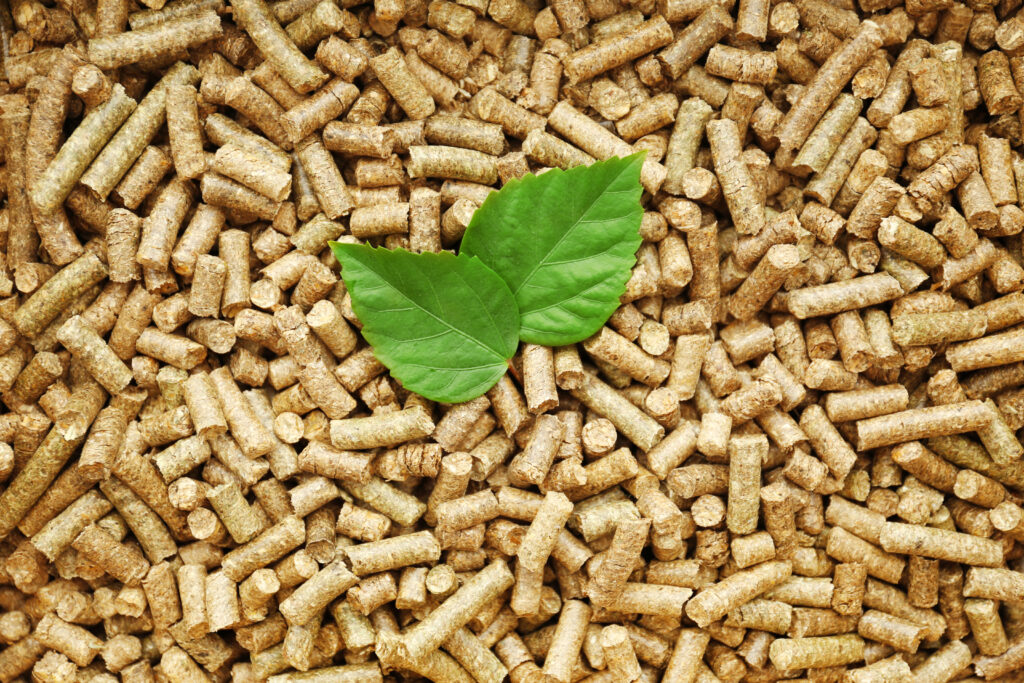
Bioenergy solutions are redefining how organic waste, agricultural residue, and biomass resources are utilized across industries. Instead of treating waste as an environmental burden, bioenergy technologies convert these materials into valuable renewable energy products such as compressed biogas (CBG), biomass fuels, biochar, ethanol, and sustainable aviation fuel (SAF). This approach not only supports cleaner energy production but also enables industries to reduce waste generation and carbon emissions simultaneously.
One of the core principles of a circular economy is resource regeneration, and bioenergy plays a critical role in achieving this objective. Agricultural residue, food waste, industrial organic waste, and other biodegradable materials can be integrated into renewable energy systems that create continuous value across the supply chain. This transition helps reduce dependency on fossil fuels while strengthening sustainable resource management practices.
Bioenergy innovation also supports industrial decarbonization by providing cleaner alternatives for power generation, heating, transportation, and manufacturing operations. As organizations increasingly align with ESG and net-zero commitments, renewable bio-based fuels are becoming essential in helping businesses lower their environmental footprint and achieve long-term sustainability goals.
In addition to environmental benefits, circular bioenergy systems create significant economic and social impact. They contribute to rural development by generating employment opportunities across biomass collection, processing, logistics, and technology operations. Farmers and local communities can benefit from additional revenue streams created through the responsible utilization of agricultural waste and organic resources.
Technological advancements are further accelerating the growth of the bioenergy sector. Innovations in waste-to-energy conversion, biofuel production, and carbon-efficient technologies are improving scalability, efficiency, and commercial viability. These developments are helping industries adopt smarter and more sustainable energy systems while enabling large-scale circular economy integration.
Governments and sustainability-focused organizations are also recognizing the importance of bioenergy in achieving climate and resource-efficiency targets. Policy support, infrastructure investments, and industry collaborations are strengthening the ecosystem required to scale circular energy solutions globally.
The shift toward a circular economy is no longer a future aspiration — it is becoming a strategic necessity for businesses, industries, and nations seeking resilient and sustainable growth. Bioenergy innovation offers a practical pathway to accelerate this transition by transforming waste into opportunity and enabling a more balanced relationship between economic progress and environmental responsibility. As the world continues to address climate change, energy security, and sustainable development challenges, bioenergy will remain a key enabler of circular transformation. By integrating renewable energy, waste utilization, and sustainable resource management, industries can build systems that are cleaner, more efficient, and future-ready.